Running a medical practice is two jobs wearing one coat. There is the medicine, which you trained for, and there is the business, which mostly you did not. Managing a medical practice well means getting the second job to support the first instead of swallowing it.
Most doctors learn this the hard way, somewhere around the third late night doing claims.
This guide covers the parts people ask about most: what you need to open a clinic, what it tends to cost to start, and the systems that decide whether the day runs smoothly or falls apart by noon.
Requirements to Start a Clinic
Before a single patient walks in, the paperwork has to be right. In Namibia that starts with professional registration through the relevant health professions council and a practice number so you can bill.
Then come the premises. You need rooms that meet health and safety standards, proper infection control, secure storage for records and medicines, and the right business registration and tax setup. If you plan to dispense, that brings its own licensing. None of it is glamorous, and all of it gates your opening date.
It pays to map the sequence early, because some approvals depend on others. The World Health Organization sets out the broad standards health facilities are expected to meet, and aligning with those from the start saves expensive rework later.
How Much Does It Cost to Start a Medical Practice?
There is no single figure, and anyone who gives you one is guessing. The honest answer is that it depends on a handful of big levers, and you can plan around them.
The largest costs are usually premises, whether you buy, build, or lease, and equipment for your speciality. After that come staffing, your practice management and billing system, professional indemnity cover, and the working capital to keep the lights on while claims are still coming in. That last one catches people out. Money goes out for weeks before it starts coming back.
Rather than chase a number, build a simple model: fixed setup costs, monthly running costs, and a realistic ramp up for patient volume. Analysis from the World Bank on private health provision shows that the practices that survive their first year are the ones that planned for the cash flow gap, not just the launch.
Systems That Keep a Practice Running
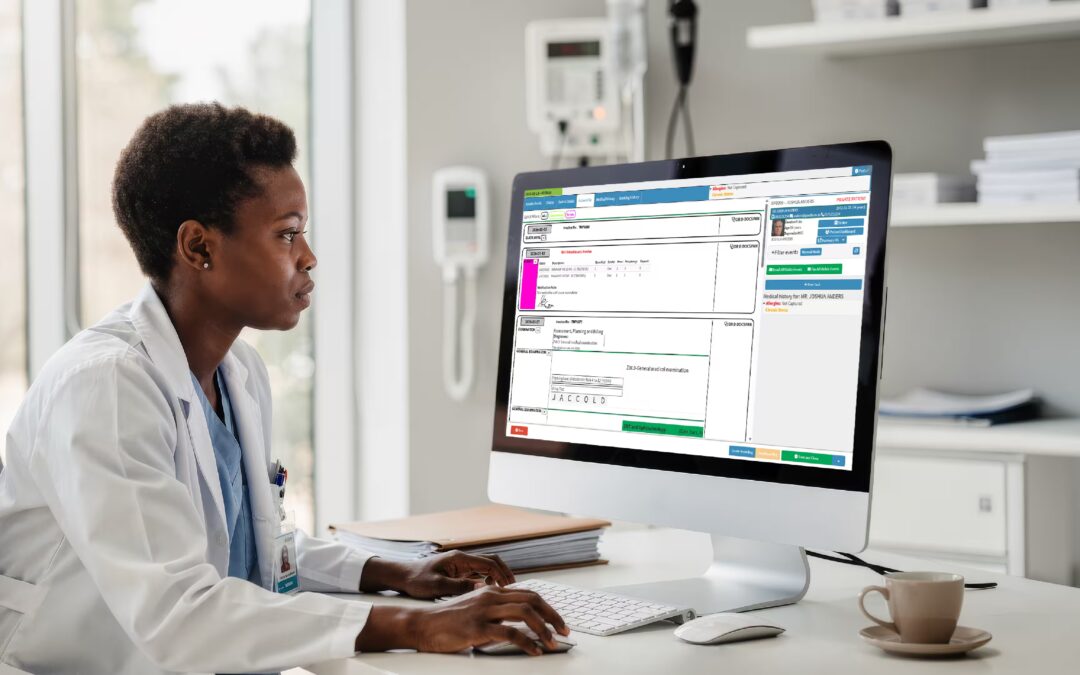
Once you are open, management becomes a daily discipline rather than a launch project. The practices that run calmly tend to have one thing in common: their scheduling, records, and billing live in the same system rather than three.
That single thread is what stops small problems compounding. A booking becomes a consult note, the note becomes a claim, and the claim is tracked until it pays, all without anyone retyping a patient’s details. Reception sees the day. The doctor sees the history. The owner sees the money.
Good reporting matters just as much. You cannot manage what you cannot see, and a system that shows you no show rates, outstanding claims, and patient volumes turns guesswork into decisions. Research collected in The Lancet ties well organised primary care administration to better patient follow up, which is the quiet payoff of getting your systems right.
The Admin That Quietly Sinks New Practices
Most practices that struggle in year one are not short of patients. They are drowning in admin nobody costed for.
It piles up in predictable places. Claims submitted late or with the wrong code, so payment slips by weeks. Appointments missed because nobody confirmed them. Records scattered across a folder, a spreadsheet, and someone’s memory, so half an hour vanishes just finding what should take seconds. None of these are dramatic on their own. Together they bleed a practice slowly.
The owners who stay calm tend to automate the repeatable stuff early and watch the numbers weekly rather than monthly. They know their no show rate, their outstanding claims, and their busiest hours, because the system shows them without a spreadsheet exercise. That visibility is what turns running a practice from firefighting into managing.
People Are the Practice
Systems matter, but a practice is its people, and the ones that run well tend to look after the team behind the desk as carefully as the patients in front of it.
That starts with not burning reception out on work a system could do. When the software handles reminders, claims, and record keeping, staff spend their energy on the parts that need a human, the anxious patient, the tricky scheduling request, the warm welcome that makes someone come back. Burnout in a small practice is expensive, because every departure takes hard won knowledge with it.
Delegation is the other half. An owner who hoards every decision becomes the bottleneck. Clear roles, a system everyone can see, and trust in the team free the doctor to be a doctor rather than a permanent administrator.
Know Your Numbers
You cannot manage what you never look at, and the practices that thrive tend to track a small set of figures religiously.
Keep it simple. Patients seen per day. Income billed against income collected. Outstanding claims by age. No show rate. Busiest and quietest hours. None of these need an accountant, and a connected system surfaces them without effort. Checked weekly rather than once a year, they tell you where the practice is leaking time or money while there is still time to do something about it.
Frequently Asked Questions
What do you need to start a clinic in Namibia?
You need professional registration with the relevant council, a practice number for billing, suitable premises meeting health and safety and infection control standards, secure record and medicine storage, business and tax registration, and dispensing licences if you plan to dispense. Map the sequence early, since some approvals depend on others.
How much does it cost to start a medical practice?
There is no fixed figure. The big costs are premises, speciality equipment, staffing, your practice system, indemnity cover, and working capital for the months before claims start paying. Build a model of setup and running costs rather than chasing a single number.
What is the hardest part of managing a medical practice?
Usually the business side, especially cash flow and admin, because clinical training does not cover it. Money leaves before claims pay, and disconnected systems multiply errors. Connected scheduling, records, and billing, plus clear reporting, take most of that pressure off.
Why do practice systems matter for management?
Because management is daily, not a one off. When scheduling, records, and billing share one system, a booking flows into a note and then a tracked claim with no retyping. Good reporting then shows no shows, outstanding claims, and volumes, turning guesswork into decisions.
Book Your Free GoodX Demo
Managing a practice gets a lot easier when scheduling, records, and billing pull in the same direction. That is what GoodX is built to do for Namibian practices.
See how it could simplify your week.