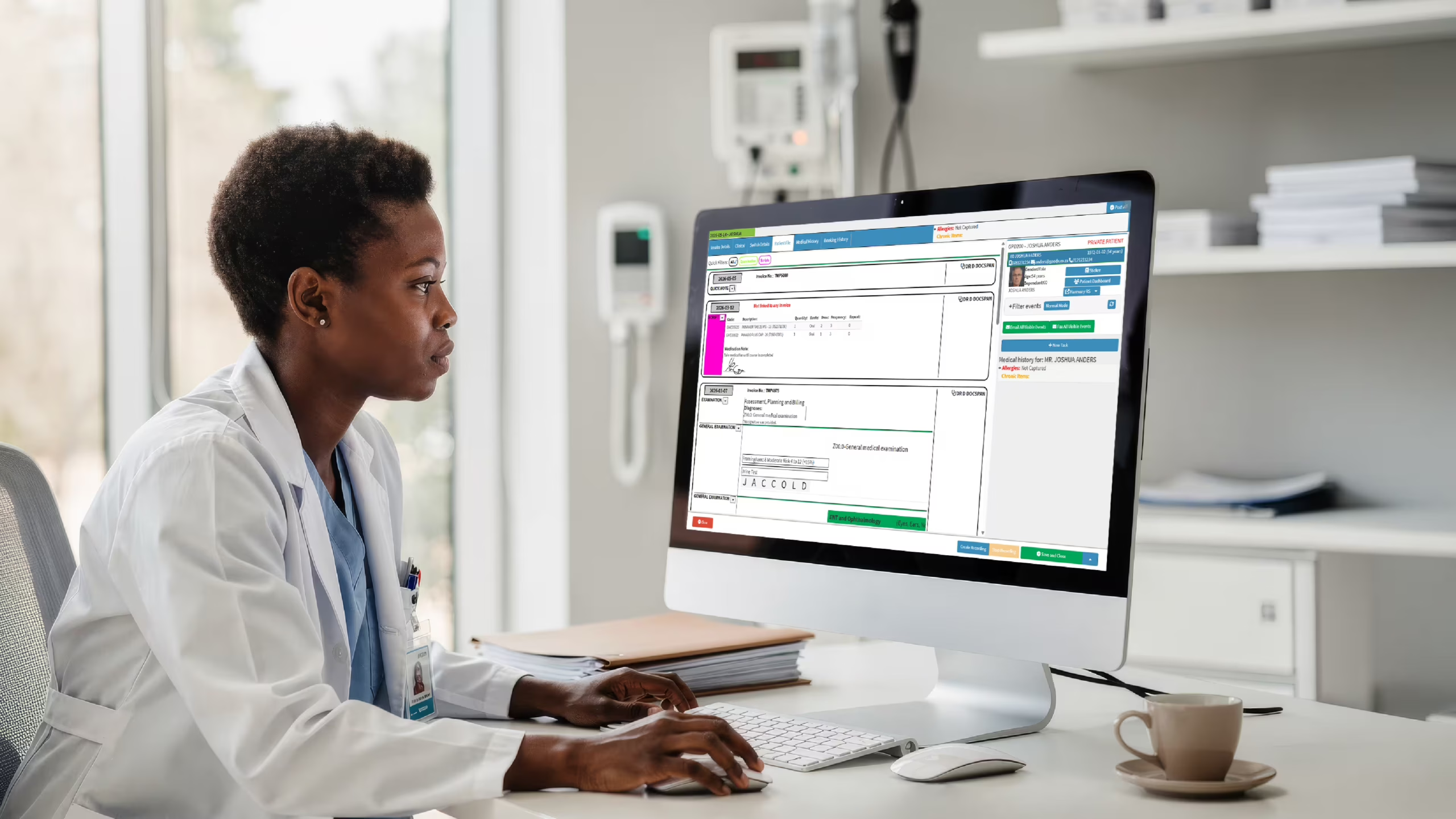
Healthcare software compliance is a growing priority for medical practices across Namibia. As the country’s health sector continues to digitalise, the systems that practices use to manage patient records, billing, and clinical workflows are coming under greater scrutiny from both regulators and patients. Understanding what compliance means in this context, and what it requires from your software, is the first step toward running a protected and professional practice.
This guide is written for Namibian healthcare professionals who want a clear, practical understanding of healthcare software compliance, what it requires, and how to approach it without getting lost in legal language.
What is Software Compliance?
Software compliance, in the context of healthcare, refers to the extent to which a software system adheres to the laws, regulations, and standards that govern how it must operate. For a medical practice, this means that the platform you use to manage patient data, process claims, and communicate with patients must be built and configured in a way that meets those regulatory expectations.
In Namibia, the regulatory environment for healthcare is governed primarily by the Ministry of Health and Social Services (MoHSS). Practices are expected to operate in line with the National Health Act and applicable professional standards. In addition, Namibia’s Electronic Transactions Act and emerging data protection frameworks set expectations around how electronic records, including patient information managed through software, must be handled.
Software compliance is not simply about choosing a system that ticks a legal box. It is about ensuring that the software you use supports your practice’s ability to operate lawfully on a day-to-day basis. This includes things like: controlling who can access patient records, maintaining logs of all activity within the system, enabling secure communication with patients and other providers, and making it possible to produce auditable records when required.
The World Health Organization’s global digital health strategy affirms that robust health data governance, including software-level controls, is foundational to achieving quality healthcare outcomes. For Namibian practices, aligning with these principles is not just good practice; it is increasingly an expectation of operating in a modern health system.
What Does Software Compliance Look Like in Practice?
A compliant healthcare software system for a Namibian practice will typically include several core features. Role-based access control ensures that clinical notes are only visible to authorised clinical staff, while administrative users see only what they need for billing and scheduling. Automated audit trails record every time a patient record is accessed, modified, or shared. Data encryption protects sensitive information both in storage and in transit. And regular software updates ensure that known security vulnerabilities are addressed promptly.
When these features are present and properly configured, your practice has a defensible position if questions are ever raised about how patient data has been handled.
Compliancy vs Compliance: Understanding the Difference
This is a question that comes up more often than you might expect. The terms compliancy and compliance are often used as though they mean the same thing, but there is a meaningful difference worth understanding, particularly in a professional context.
What is Compliance?
Compliance is the noun that refers to the state of conforming to a rule, standard, or law. In healthcare, when we talk about a practice being in compliance, we mean that it is currently meeting all the applicable regulatory and professional requirements. Compliance is the correct term to use in virtually all professional and legal contexts, including regulatory submissions, audit reports, and internal policy documents.
What is Compliancy?
Compliancy is an older or less formal variant of compliance, and in some contexts it carries a slightly different connotation: the tendency or disposition to comply, sometimes with an implication of being overly accommodating. In modern professional usage, compliancy is largely considered informal or archaic. When writing about your practice’s regulatory position, whether in patient communications, staff policies, or correspondence with the Ministry of Health, the correct word is compliance.
Why Does This Matter?
In a regulatory context, precise language matters. Using correct terminology in your documentation demonstrates professionalism and clarity of understanding. More practically, it means that your policies and communications are unambiguous, which is important both internally (staff know exactly what is expected) and externally (regulators can clearly assess your practices).
Healthcare Software Compliance as an Ongoing Commitment
One of the most common misunderstandings about compliance is that it is a one-time event rather than an ongoing process. Achieving compliance when you first implement a new healthcare software system is important, but maintaining that compliance as regulations evolve and your practice grows is equally critical. The African Union’s data protection frameworks are developing rapidly, and Namibian practices will increasingly need to ensure that their software systems keep pace with these regional standards.
A practice management software provider like GoodX stays current with regulatory developments and releases updates that keep your system aligned with evolving requirements. This means your compliance position improves over time rather than degrading as the regulatory landscape changes.
Frequently Asked Questions
What is healthcare software compliance?
Healthcare software compliance means that the digital systems your practice uses to manage patient records, billing, and appointments meet the applicable legal, professional, and data protection standards. In Namibia, this includes requirements set by the Ministry of Health and Social Services and relevant data protection legislation governing electronic records.
What is software compliance in a medical context?
In a medical context, software compliance refers to whether your practice management platform is built and configured to meet regulatory requirements. This includes features like role-based access control, encrypted data storage, audit logging, and the ability to produce compliant documentation when required by regulators or professional bodies.
What is the difference between compliancy and compliance?
Compliance is the correct professional and legal term for the state of meeting regulatory requirements. Compliancy is an informal or archaic variant that is rarely used in professional contexts. In any regulatory documentation, audit reports, or practice policies related to healthcare in Namibia, compliance is the appropriate term to use.
Is compliance a one-time process or ongoing?
Compliance is ongoing. Achieving compliance when you implement a healthcare software system is only the beginning. As regulations evolve and your practice grows, your systems and processes need to be reviewed and updated regularly. Using a practice management software provider like GoodX that updates its platform in line with regulatory changes helps maintain your compliance position over time.
How does GoodX support healthcare software compliance in Namibia?
GoodX includes built-in features that support compliance, including role-based access controls, encrypted patient data storage, audit trails, and secure communication tools. The platform is regularly updated to align with evolving regulatory requirements, and GoodX’s support team can assist Namibian practices with implementation and configuration.
Take the Next Step Toward a Compliant Practice
Healthcare software compliance in Namibia does not have to be complicated. With the right platform and a clear understanding of your obligations, you can run a practice that is both efficient and fully protected. GoodX is designed to support medical professionals across Namibia with practice management software that meets current regulatory standards.