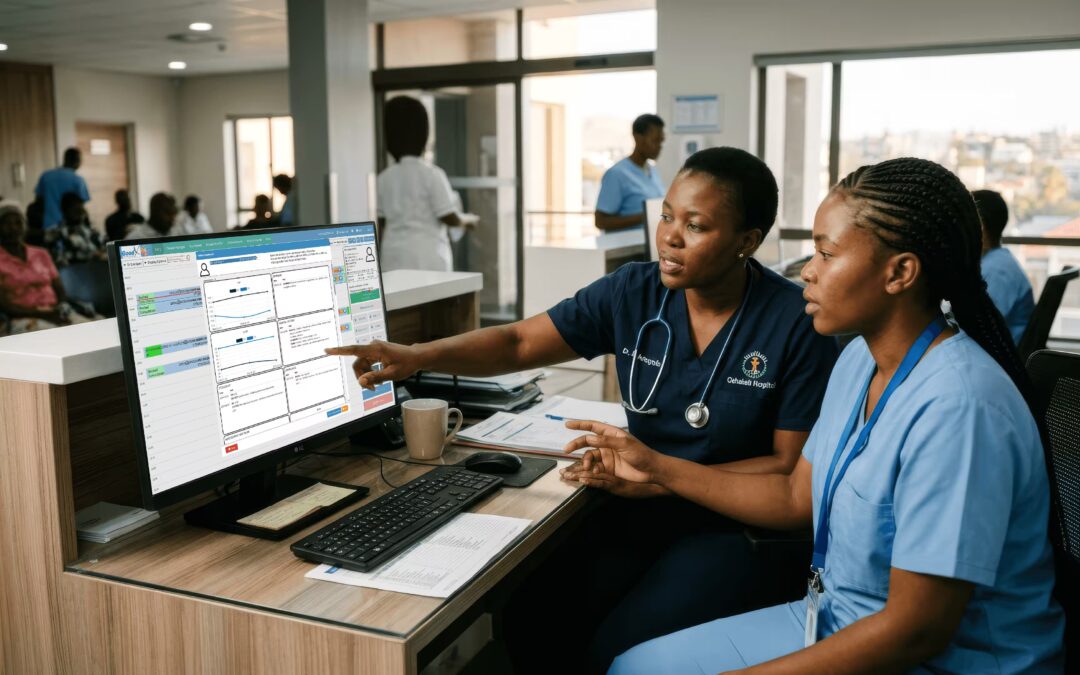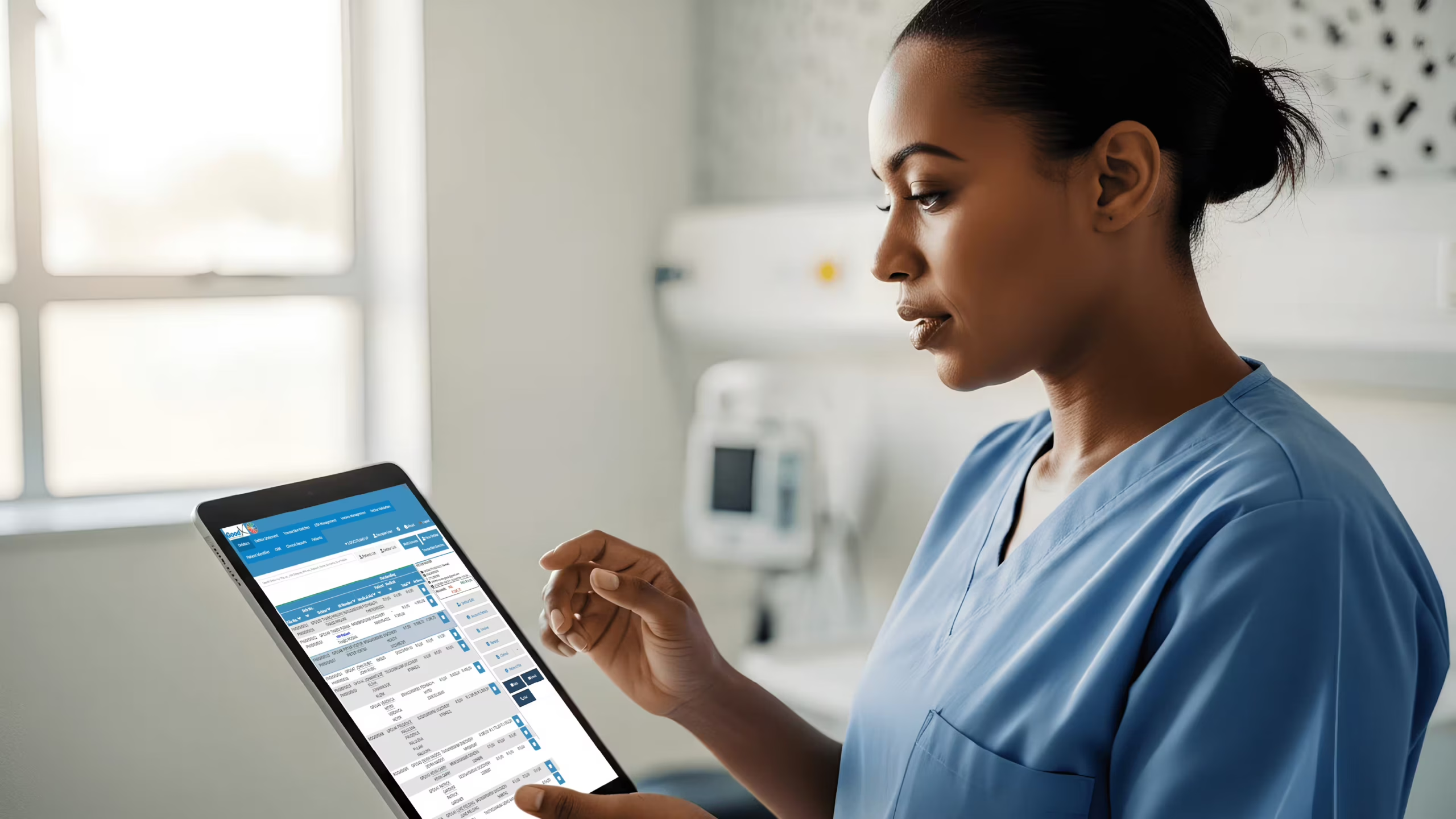
The healthcare landscape in Namibia is evolving rapidly, and medical practices are increasingly recognising the value of modern digital solutions. EHR management software has become essential for practices that want to streamline operations, improve patient outcomes, and remain competitive. Whether you’re running a busy clinic in Windhoek or a single-handed practice in the regions, implementing an EHR system can transform how you deliver care. But what exactly is EHR software, and how can it benefit your Namibian medical practice? This guide explores everything you need to know about electronic medical records systems and how they’re reshaping healthcare delivery across the country.
What is Electronic Medical Records Software Namibia Needs Today?
Electronic medical records software is a digital solution that replaces traditional paper-based patient records with secure, accessible electronic documentation. What is an EHR software, fundamentally? It’s a comprehensive system designed to capture, store, and manage all aspects of patient care in a single digital platform. For Namibian healthcare providers, this shift from manual record-keeping to digital systems offers transformative benefits. Your team gains instant access to complete patient histories, test results, medication records, and clinical notes. This accessibility means faster consultation times, more informed clinical decisions, and ultimately, better patient care. The implementation of EHR systems across Namibia’s healthcare sector reflects a global trend toward digitisation. Modern EHR platforms are built specifically to accommodate the unique needs of Namibian healthcare environments, considering connectivity challenges, local compliance requirements, and the diverse range of practice types operating across the country.
Practice Management Software Namibia: Beyond Basic Record Keeping
While electronic medical records form the clinical foundation, practice management software Namibia medical practices rely on extends far beyond patient documentation. Modern integrated systems handle appointment scheduling, billing and invoicing, staff management, inventory control, and reporting. This holistic approach means your entire practice operates from a single source of truth. What are the 4 types of EMR? Understanding this classification helps you select the right system for your needs. The main categories include:
-
Departmental EMRs – focused on specific specialties
-
Hybrid EMRs – combining digital and paper elements
-
Standalone EMRs – independent systems for small practices
-
Integrated EHRs – comprehensive platforms with practice management features For Namibian practices, integrated systems offer superior value. A comprehensive practice management solution eliminates data silos, reduces administrative burden, and provides actionable insights into practice performance. Staff spend less time on paperwork and more time on patient care.
EHR Software for Small Practices: Affordable Solutions for Growing Clinics
Many smaller medical practices in Namibia hesitate to adopt digital systems, believing they’re too expensive or complex. This misconception prevents them from accessing tools that could significantly improve efficiency and patient satisfaction. EHR software for small practices has evolved considerably, with flexible solutions designed specifically for clinics with limited resources. Modern systems offer scalability, meaning you start with essential features and expand as your practice grows. Cloud-based EHR platforms eliminate expensive server infrastructure, offering reliable performance without significant upfront capital expenditure. For general practitioners and other independent practitioners in Namibia, these solutions provide professional-grade capabilities previously reserved for large healthcare organisations. What is the difference between EMR and EHR? While these terms are sometimes used interchangeably, they serve different purposes. EMR refers specifically to digital patient records within a single practice or organisation. EHR systems provide broader interoperability, allowing patient data to be shared across multiple healthcare providers and settings. For practices looking to future-proof their investment, EHR systems offer superior flexibility and integration potential. Implementing a modern EHR system represents a significant step forward for any Namibian medical practice. Whether you’re a solo practitioner or managing a multi-provider clinic, the right platform streamlines operations, improves compliance with healthcare regulations, and most importantly, enhances the quality of care you provide. Learn more about how EHR software benefits general practitioners in Namibia and discover how modern digital solutions are transforming solo and small group practices across the country.
Beyond the clinical benefits, EHR systems address critical healthcare challenges facing Namibia. Better record-keeping supports evidence-based medicine and continuous quality improvement. Digital systems enable healthcare providers to participate in broader health surveillance initiatives and contribute to population health research. For rural and remote clinics where specialist consultation is limited, comprehensive EHR documentation ensures patients receive the best possible care regardless of location. For more information about healthcare standards, the World Health Organization provides guidance on digital health implementation. Major medical journals, such as The Lancet Digital Health, regularly publish research on EHR effectiveness and best practices. Government health authorities, including the International Medical Informatics Association, also offer resources on healthcare technology adoption. When looking for a localised solution that understands the regional regulatory framework, GoodX Namibia provides tailored software designed to handle the specific billing and clinical requirements of the Namibian medical sector.
Frequently Asked Questions About EHR Management Software
How does EHR management software improve patient safety? EHR systems reduce medical errors through automated alerts for drug interactions, allergies, and contraindications. Legible electronic documentation eliminates handwriting misinterpretation, a common cause of healthcare errors. Integrated systems ensure all healthcare providers treating a patient access the same accurate, current information, preventing duplicate tests and dangerous medication conflicts.
Can small Namibian practices afford EHR software? Yes. Cloud-based EHR solutions have democratised access to enterprise-grade practice management software. Many providers offer flexible pricing models based on practice size, allowing small Namibian clinics to afford comprehensive systems without massive capital expenditure. Modern EHR software for small practices typically includes affordable setup with scalable ongoing costs.
How long does it take to implement an EHR system? Implementation timelines vary based on practice complexity and historical data volume. Small practices might go live in weeks, whilst larger organisations with extensive legacy data may require months. Modern EHR systems are designed for rapid deployment, with most Namibian practices experiencing minimal disruption during transition periods.
Is patient data secure in electronic medical records systems? Reputable EHR providers invest heavily in security infrastructure, including encryption, access controls, and audit trails. Electronic medical records software Namibia uses typically exceeds security standards for paper records. Regular backups ensure data resilience, and compliance with healthcare privacy regulations protects patient information from unauthorised access.
What training is required for staff to use EHR software? Modern EHR systems feature intuitive interfaces designed for healthcare professionals with varying technical backgrounds. Most providers include comprehensive training during implementation, supported by ongoing documentation and help resources. Many Namibian practices find staff become proficient within days rather than weeks.
Transform Your Practice With Modern EHR Management Software
Your Namibian medical practice deserves tools that match your commitment to patient care. Modern EHR management software streamlines operations, reduces administrative burden, and enables you to focus on what matters most: delivering excellent clinical outcomes. Ready to explore how EHR systems can transform your practice?